









Music 2000 (PS1) Review
Platforms: PlayStation (PS1)
Developer: Jester Interactive
Release Date: 1999
Genre: Music Creation/Simulation
Introduction
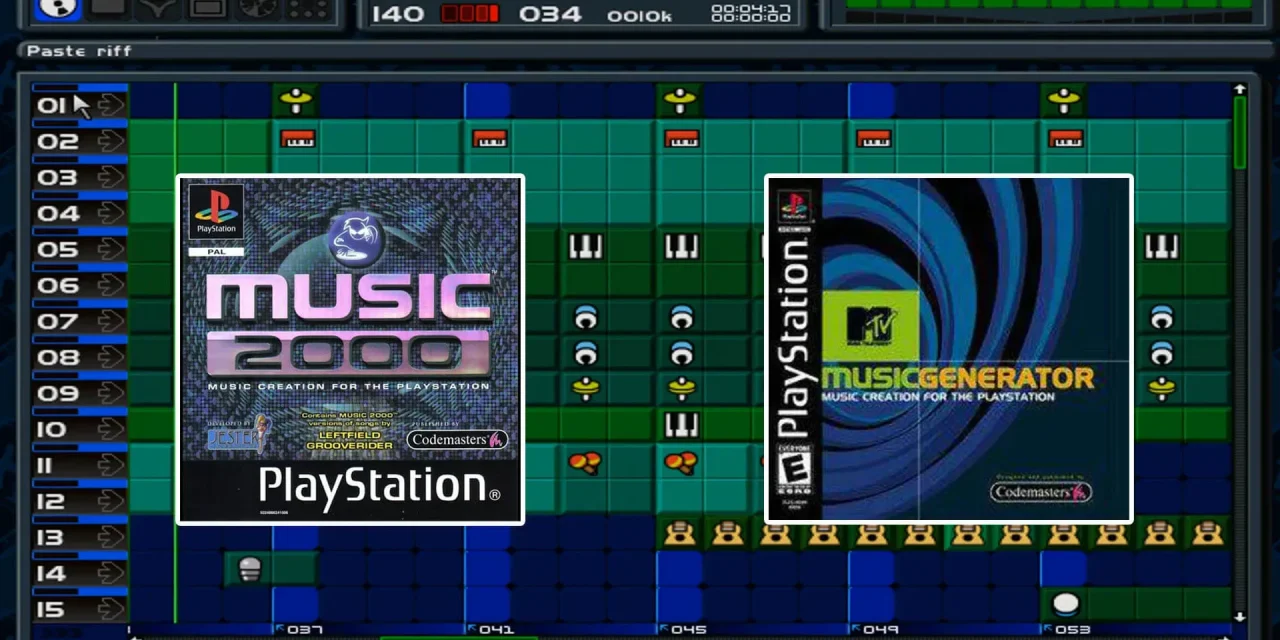
In the late ’90s, the PlayStation wasn’t just a console for action-packed titles and role-playing epics; it was also home to some unique and creative experiences. One such game was Music 2000, a music creation tool developed by Jester Interactive that promised gamers the chance to become virtual music producers. Also known as MTV Music Generator in North America, Music 2000 gave players the ability to compose full tracks, even without any formal music training. But does this title hold up as a fun experience, or is it too much of a niche offering to appeal to the average gamer?
Gameplay: A Music Studio in Your Living Room
The core of Music 2000 is its deep music creation system. Right off the bat, it’s clear that this isn’t your typical PlayStation game. There’s no story mode, no combat mechanics, and no boss battles. Instead, you’re given a digital studio where you can craft music using a vast array of samples, loops, and beats.
The interface is split between a timeline sequencer and a sample browser. The sequencer allows you to place different audio clips into time slots, creating layers of sound that blend into a complete track. Whether it’s drum beats, basslines, melodies, or sound effects, the depth of the library is impressive for a PlayStation title. There’s even a sample editor where you can chop up sounds, adjust pitch, or create your own loops. Surprisingly, Music 2000 also lets you record external sounds via the PlayStation’s microphone (if you had one), adding a personal touch to your tracks.
But, as anyone who’s used a digital audio workstation (DAW) knows, the learning curve is steep. Music 2000 isn’t an exception. While the game tries to be user-friendly, the interface can be overwhelming, especially with a controller. Navigating through the menus and placing samples can feel clunky, and it takes time to get used to the limitations of analog stick precision for something as intricate as music composition. That being said, for players willing to invest the time, the payoff can be immensely satisfying.
Sound Quality: A Pleasant Surprise
One of the most impressive aspects of Music 2000 is its sound quality. For a PlayStation title, the library of sounds is surprisingly varied and doesn’t suffer from the tinny, compressed audio that plagues many other games from the era. From heavy techno beats to ambient soundscapes, the samples are versatile enough to allow for a wide range of music genres.
Jester Interactive managed to pack a considerable amount of variety into this game. Whether you’re into house, drum and bass, hip-hop, or something experimental, there’s enough material here to let you explore different musical styles. However, you may notice that some samples are limited in terms of variety, and after a while, frequent use of the same loops may make your tracks sound repetitive.
Graphics & Presentation: Functional, Not Flashy
Given that Music 2000 is focused on music creation, the visuals take a back seat. The graphics are clean and functional but don’t expect any flashy visuals or character models. The interface is relatively plain, featuring simple menus, grid-based systems, and waveforms.
The game does provide some basic visualizers while you listen to your tracks, which is a nice touch. These visualizers are reminiscent of what you might find in a media player from the early 2000s. They serve their purpose but are nothing that will blow you away graphically. In the end, this game is all about the sound, and that’s where most of the development focus clearly went.

Learning Curve: Tough but Rewarding
When you first load up Music 2000, you’re greeted with a lot of information and little guidance. There’s a tutorial, but it barely scratches the surface of what you can do. For beginners, this can be intimidating. The interface isn’t intuitive right away, and it’s easy to get lost in the menus. However, once you get the hang of it, the freedom it provides is fantastic.
After a few hours of trial and error, things start to click, and you can begin building cohesive tracks. For gamers used to instant gratification, this may be a turn-off, but for anyone serious about getting into music production, it offers a real sense of accomplishment.
Multiplayer: A Forgotten Opportunity
One of the missed opportunities with Music 2000 is its lack of any significant multiplayer or collaboration features. While you could share your creations by saving them to a memory card and passing them around, there’s no real-time way to collaborate with friends. Imagine how incredible it could’ve been to have a feature where two players could work on a track together. Given the technology at the time, though, it’s understandable why such a feature wasn’t included.
Replay Value: Endless, If You’re Into It
This is one of those games that doesn’t really have an “end.” It’s as replayable as your creativity allows. You can spend hours fine-tuning one track or quickly make multiple short loops. For those who love tinkering with sounds and experimenting with different musical styles, Music 2000 can offer endless hours of enjoyment. On the flip side, if you’re someone who needs clear goals or progression in your games, you might find the experience a bit lacking.
Conclusion: A Groundbreaking, Niche Classic
Music 2000 isn’t a game for everyone. Its steep learning curve, niche appeal, and lack of traditional gameplay mechanics will turn off many casual gamers. However, for those who are musically inclined or who have always wanted to try their hand at music production, it’s an ambitious and groundbreaking title that pushed the boundaries of what a PlayStation game could be.
It’s hard to overstate just how innovative Music 2000 was for its time. It gave players a full-fledged music studio right in their living rooms, at a time when most people didn’t have access to professional music software. Even today, its creativity and ambition are worth applauding, and it’s a game that holds a special place in the hearts of those who gave it a chance.
Pros:
- Deep music creation system with a wide range of samples and tools.
- Surprisingly high-quality sound for a PS1 title.
- Rewarding for those willing to invest the time to learn.
Cons:
- A steep learning curve with a clunky interface.
- Limited variety in some of the sample packs.
- Lack of multiplayer or collaboration features.
Verdict:
8.5/10
Music 2000 is a niche gem for aspiring music producers, but its complexities and dated interface may frustrate those looking for a more casual experience. If you’re willing to dive in deep, though, it’s a rewarding creative tool that can still surprise you.
Did you enjoy reading the Music 2000(PS1) Review? See more in our Reviews Section
Verdict
83%
Summary Music 2000 is a niche gem for aspiring music producers, but its complexities and dated interface may frustrate those looking for a more casual experience. If you're willing to dive in deep, though, it’s a rewarding creative tool that can still surprise you.